
July 7th 2026 Regular meeting
PAACT BOARD RECAP
July 7, 2026 Regular Meeting
The Main Event
Wireless device policy adopted: bell to bell, K-12
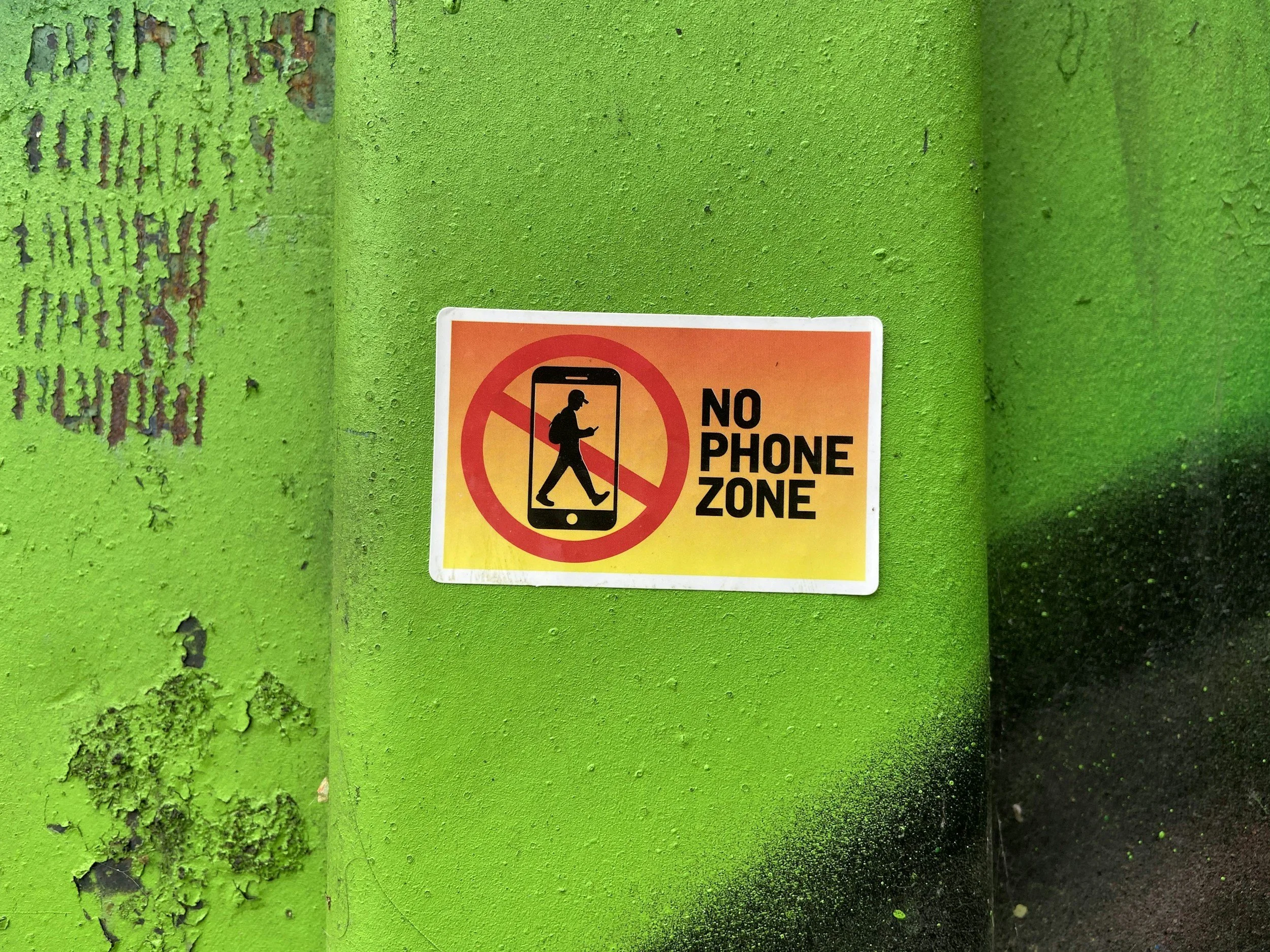
The board adopted the revised wireless device policy (policy 2006) as Resolution 85 on a 4–1 vote, waiving the first reading so the policy takes effect without returning for a second meeting. The deputy superintendent explained the significant change from the version read on June 23: the recommendation then on the table would have let high school students use their phones at lunch in designated areas. The adopted policy closes that window. Students in all grades are now prohibited from using wireless communication devices throughout the school day, including high school lunch, outside the exemptions required by law.
What the policy says
Devices must be turned off and kept out of sight, enforced by school staff through monitoring throughout the school day. The definition still reaches beyond phones to personal laptops, smartwatches, smart glasses, and similar devices. Legal exemptions remain: medically necessary devices, district-owned devices, documented 504 plan and IEP accommodations, lesson-specific instructional use at staff discretion, and emergencies as addressed in the district's Emergency Operations Plan.
The dissent
Trustee Jennifer Rass cast the no vote. She said she fully supports bell to bell for K-8 and during the high school instructional day, but believes phones at high school lunch deserved consideration. Her stated reasons: preparing older students, some of them 18, for adult independence; an equity gap, since juniors and seniors with off-campus lunch privileges will have phone access while 9th and 10th graders will not; emergency communication concerns; the enforcement burden on administrators; and her view that the community survey did not capture a representative sample of high school families.
Support, with eyes open about enforcement
President Nicole Spencer called the decision a sincere struggle. She agreed with the ban but noted that high schoolers eat lunch spread across cafeterias, commons, hallways, and media centers without lunch aides, making enforcement genuinely challenging for the handful of administrators covering those spaces. Dr. Roberson said administrators support the policy but will need parent buy-in to make it work, suggested families can help by not sending phones to school or using parental controls, and asked the community to give administrators grace, noting new policies typically take a year or two to work out the kinks. She also acknowledged that among high school parents specifically, the survey leaned toward allowing phones at lunch, consistent with the survey figures we reported June 23.
Trustee Omar Odeh said he sees the policy as pro-learning rather than anti-technology, and that removing the lunch exception eliminates the ambiguity that made the earlier version harder to enforce. Trustee Luke Joseph said he hopes phone-free lunch encourages students to socialize face to face. Trustee Lori Ajlouny said the board heard the community and believes this is the best decision for kids, even knowing it will be hard at first.
What happens next
The policy authorizes the superintendent to develop administrative regulations consistent with it. Those regulations, along with each building's rollout plan, are where the practical questions land: how devices are stored, what the consequences are, and how enforcement will actually work in buildings. That is the piece to watch between now and September.
Also From The Meeting
Superintendent's report
Groves recognitions
Dr. Roberson congratulated Brendan Flaherty, varsity football coach at Groves, on his induction into the Michigan High School Football Coaches Hall of Fame; the district plans to recognize him at a meeting once school resumes. She also congratulated the Groves debate, theater, and forensics programs, which each won state championships this year. Because it was the first time all three won in the same year, the school received the Fitzgerald Sweepstakes Award from the Michigan Interscholastic Forensic Association (MIFA).
Declaration of Independence reading
Dr. Roberson shared that she was invited to be one of the readers at a public reading of the Declaration of Independence at Birmingham City Hall on July 8, alongside the mayor and other community members. She reflected on the significance of participating as a woman of color who would not have been included when the document was written.
Formal Action
The votes
The board renumbered the agenda at the top of the meeting: the consent agenda became Resolution 84, the wireless device policy Resolution 85, and the instructional materials Resolution 86, with World History and U.S. History removed from 86 for further review. The amendments passed 5–0.
| Resolution | What it does | Vote |
|---|---|---|
| 84: Consent agenda | This week's consent agenda contained only the personnel report. New hires include a Director of Human Resources and two middle school assistant principals. Four administrator resignations are detailed below. | 5–0 |
| 85: Wireless device policy | Waives the first reading and adopts the revised bell to bell device ban for grades K-12, including high school lunch. Trustee Rass voted no. | 4–1 |
| 86: Economics and government materials | Approves Traverse by Imagine Learning for high school economics and government beginning in 2026–2027. The McGraw-Hill World History and U.S. History materials were held for further curriculum review; Dr. Roberson asked the board for direction on next steps. | 5–0 |
One item worth flagging from the consent agenda. The personnel report lists four administrative resignations: a principal after 2 years 10 months, a principal after 12 years 11 months, a special education supervisor after 10 months, and the operations director after 1 year 2 months. It also lists the incoming hires: Heather Pastori as Director of Human Resources effective July 13, and Alana Purnell and Rita Briguglio as middle school assistant principals effective August 3.
After the votes, the board entered closed session at 7:22 PM under Section 8(c) of the Open Meetings Act, which permits closed sessions for strategy and negotiation connected with collective bargaining. No action was taken in open session afterward.
On The Calendar
Coming up
The administrative regulations implementing the wireless device policy will determine how the ban works day to day inside buildings; families should expect building-level communication before September. The board owes the administration direction on the continued U.S. History and World History review. The Declaration of Independence reading is July 8 at Birmingham City Hall. On the bond, certified ballot language is due to the Oakland County Clerk by 4:00 PM on August 11, with the election on November 3. Every regular meeting and study session includes public comment.
